
Joy is often misunderstood. It’s treated as something you either have or don’t have. A personality feature. A mood. A reflection of how well life is going. When joy fades, people tend to assume something is wrong with them—or that they need to think differently, try harder, or stay positive. But joy doesn’t originate in thought. It originates in the nervous system.
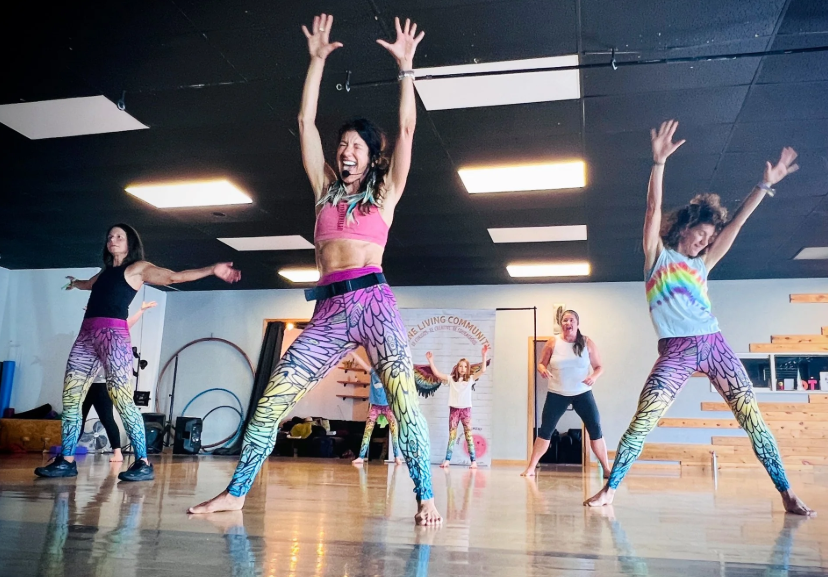
When the body feels safe, supported, and regulated, joy emerges naturally. Not as excitement. Not as constant happiness. But as lightness. Ease. A subtle sense of aliveness that doesn’t require a reason.
Stress interrupts this state.
Long periods of pressure, responsibility, or emotional strain keep the nervous system in survival mode. In that state, joy isn’t inaccessible because of mindset—it’s deprioritized because the body is focused on protection. There’s nothing wrong with that. It’s intelligent.
The problem arises when survival becomes the default.
Ecstatic dance offers a pathway out of that holding pattern.
Through movement, the body shifts out of bracing and into flow. Breath deepens. Muscles soften. Energy that was tied up in vigilance begins to circulate again. As regulation returns, joy often follows—not because it was chased, but because the system finally has room for it.
This kind of joy is quiet at first.
It might feel like curiosity.
Or playfulness.
Or a moment of lightness that surprises you.
There’s no need to amplify it. No need to perform it. The body recognizes it immediately, even if the mind questions it.
Play is one of the body’s natural regulation tools. It signals safety. It restores flexibility. It reminds the nervous system that not every moment requires guarding. For adults, play is often the first thing to be sacrificed—and the last thing to be restored.
Ecstatic dance reintroduces play without embarrassment or expectation. There’s no audience. No outcome. Just movement responding to sensation. This removes the pressure to be joyful and allows joy to arise organically.
Over time, people notice that lightness carries into daily life. Laughter comes more easily. Seriousness softens. Creativity returns. Not because circumstances changed, but because the body did.
Joy doesn’t need to be earned.
It doesn’t need justification.
It doesn’t need to be explained.
It’s a state the nervous system remembers when it’s allowed to feel safe again.
When the body moves freely, joy stops being something you try to access—and becomes something you recognize as already there.