Blog

Connection Begins with Self-Awareness in Motion

Many people look for better relationships by focusing on communication skills. They work on listening more carefully, choosing better words, or managing conflict more effectively. These efforts can be useful. But they often overlook something more foundational: the state of the body that is doing the communicating. Before we relate to anyone else, we relate to ourselves.
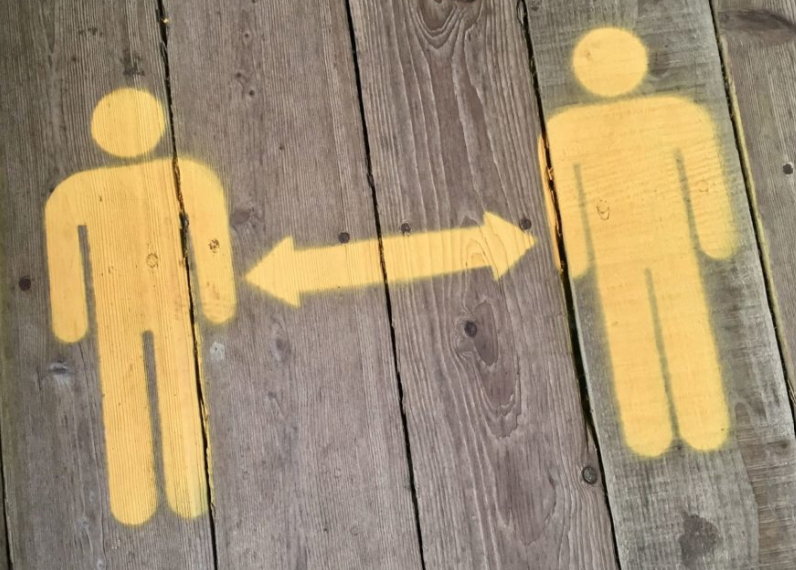
If the body is tense, guarded, or disconnected, that state will shape every interaction—no matter how thoughtful the words may be. The body speaks continuously through posture, breath, tone, pacing, and presence. Others feel this communication even when they can’t name it.

This is why connection often feels elusive even when intentions are good.

Self-awareness is not just a mental skill.
It is a bodily one.

When we are aware of our own sensations, impulses, and boundaries, we are more available to others. We can notice when we are closing off, leaning forward too quickly, holding our breath, or bracing against discomfort. This awareness creates choice. Without it, we react automatically.

Ecstatic dance develops this kind of self-awareness in motion.

As people move freely, they begin to notice how their body responds to space, proximity, rhythm, and energy. They feel when they want to expand and when they want to contract. They sense when they need more distance and when closeness feels welcome. These signals are subtle, but they are constant.

Movement brings them into awareness.

This awareness matters because healthy connection depends on accurate self-perception. If we don’t know when we’re overwhelmed, we can’t regulate before engaging. If we don’t feel our own boundaries, we may cross others’ without intending to—or fail to protect our own.

In ecstatic dance, there is no requirement to interact directly. In fact, much of the practice is solitary movement within shared space. This allows people to feel themselves clearly without the pressure to perform connection.

Ironically, this makes connection easier.

When people are grounded in their own bodies, they bring less urgency into relationships. They don’t need immediate validation. They don’t rush to fill silence. They don’t overextend to maintain closeness. Their presence becomes steadier.

Others feel this steadiness.

Connection begins to happen not because someone is trying to connect, but because they are available. Availability is a nervous system state. It emerges when the body feels oriented, resourced, and aware of itself.

Ecstatic dance supports this state by restoring internal reference points. Instead of orienting primarily to others—how they look, respond, or react—attention returns inward. Sensation becomes the guide. From this place, interactions are less reactive and more responsive.

People often notice that after developing embodied self-awareness, their relationships shift naturally. Conversations feel less charged. Misunderstandings resolve more easily. There is more room for difference without threat. These changes don’t come from new rules or strategies. They come from regulation.

Self-awareness in motion also builds empathy.

When you can feel your own shifts—tension rising, breath shortening, energy dropping—you become more sensitive to those same signals in others. This sensitivity isn’t analytical. It’s intuitive. You sense when someone needs space. When they need time. When they are present and when they are not.

This kind of attunement can’t be forced.
It develops through experience.

Ecstatic dance offers repeated experiences of noticing and responding to internal signals. Over time, this trains the nervous system to stay aware under movement, sensation, and change. That skill transfers directly into relationships, where movement and change are constant.

Connection becomes less about managing dynamics and more about staying present with yourself while engaging another. This presence creates trust—not because everything is perfect, but because there is honesty at the level of the body.

When self-awareness leads, connection follows.

Not as effort.
Not as technique.
But as a natural extension of being at home inside yourself.

In this way, ecstatic dance does not teach people how to relate outwardly. It helps them relate inwardly first. And from that relationship, others are met with greater clarity, respect, and ease.

Connection begins in the body.

When the body is known, connection becomes possible—not because it is pursued, but because it is supported.

Blog

Why Insight Often Arrives After Movement

Insight is often treated as a mental event. We expect it to arrive through thinking, reflection, or analysis. We sit with questions, search for answers, and wait for clarity to appear in the form of words or realizations. Sometimes it does. But just as often, insight remains just out of reach—felt vaguely, sensed dimly, but not fully formed. This can create frustration. The mind keeps circling the same questions, hoping that one more pass will finally unlock understanding. Yet many of the insights we’re waiting for don’t originate in thought at all. They arise after movement.

The body processes experience continuously. It registers changes in environment, emotion, and energy long before the mind organizes them into meaning. When the body is still, especially under stress or pressure, that processing can stall. Information remains unintegrated, held as tension or sensation rather than understanding.

Movement restarts the process.

When the body moves freely, systems that were paused begin communicating again. Breath deepens. Circulation improves. The nervous system shifts toward regulation. Sensory awareness increases. These changes create the conditions for integration—the moment when experience turns into understanding.

This is why insight often appears after movement, not during effortful thinking.

Ecstatic dance supports this sequence naturally.

Because movement is unstructured, the body isn’t trying to achieve anything specific. It follows impulse rather than instruction. This allows attention to drop out of problem-solving mode and into direct experience. Awareness becomes embodied rather than conceptual.

As the body moves, it sorts.
As it sorts, it settles.
As it settles, clarity emerges.

Often, the insight doesn’t announce itself right away. It may arrive later that day, or the next morning, or in a quiet moment when the mind is no longer pushing for answers. Suddenly, something makes sense. A decision feels clearer. A pattern is recognized without effort.

Nothing new was added.
Something was integrated.

This kind of insight feels different from intellectual conclusions. It doesn’t need to be defended or explained. It feels obvious in the body first, and then in the mind. There is a sense of rightness that doesn’t come from logic alone.

Movement makes this possible because it engages the whole system.

Thought-based insight relies heavily on the mind’s current capacity. When that capacity is taxed—by stress, fatigue, or emotional load—clarity suffers. Movement lightens that load. It redistributes effort across the body, allowing the mind to relax its grip.

When the mind relaxes, it becomes receptive rather than forceful.

Ecstatic dance also reduces the pressure to figure things out. There is no agenda for insight. No expectation of revelation. This lack of pressure is essential. Insight that is demanded often stays away. Insight that is allowed tends to arrive.

Many people notice that after moving, questions feel different. Less urgent. Less charged. Sometimes the question dissolves entirely, replaced by a sense of direction that doesn’t require explanation.

This is not mystical.
It is biological.

A regulated nervous system supports integration. Integration supports clarity. Clarity supports insight.

The order matters.

Trying to think your way into insight while the body is overloaded is like trying to hear a whisper in a noisy room. Movement quiets the room. Not by forcing silence, but by allowing energy to move where it needs to go.

Over time, people learn to trust this rhythm. They stop chasing insight through effort and begin allowing it to surface through embodiment. They move first. They listen later.

This doesn’t diminish the role of the mind. It supports it.

When the body is included, insight no longer has to fight its way through tension and noise. It arrives gently, often unexpectedly, and settles easily.

Sometimes the most direct path to understanding isn’t more thinking.

It’s movement—followed by stillness.

That is often where insight has been waiting all along.

Blog

Reclaiming Agency Without Forcing Positivity

For many people, empowerment has been framed as a mindset. Think positively. Reframe the experience. Choose a better attitude. While these ideas can be helpful at times, they often bypass something essential. They assume that empowerment begins in thought. But for a body that has been overwhelmed, pressured, or overridden, empowerment does not start with optimism. It starts with agency.

Agency is the felt sense that you have choice. Choice to move. Choice to stop. Choice to respond. Choice to rest. Without that sense, positivity can feel hollow, even invalidating. The body may comply on the surface while remaining braced underneath.

This is where many people get stuck.

They are told to be hopeful while their body still feels cornered. They are encouraged to stay upbeat while their nervous system hasn’t yet felt safe enough to soften. Over time, this disconnect can create frustration or self-doubt. Why isn’t this working? Why do I still feel tense?

The issue isn’t a lack of willpower.
It’s a lack of embodied choice.

Ecstatic dance rebuilds agency at the level where it matters most.

Because movement is self-led, every decision belongs to the person moving. When to begin. When to pause. How big or small the movement should be. Whether to stay still or change direction. These may seem like simple choices, but for a nervous system that has learned to override itself, they are profound.

Each choice reinforces a quiet internal message: I am in charge of my body right now.

That message is the foundation of empowerment.

There is no demand to feel good. No expectation to look confident. No pressure to turn discomfort into inspiration. The body is allowed to be exactly where it is. From that honesty, strength emerges naturally.

This is empowerment without force.

As people move in this way, they often notice that their movements become clearer. Not necessarily bigger or bolder, but more decisive. Pauses feel intentional rather than hesitant. Transitions feel chosen rather than reactive. These changes don’t come from trying to be empowered. They come from practicing agency repeatedly, in small, embodied ways.

Over time, the nervous system begins to trust that it will not be pushed beyond its limits. That trust reduces internal resistance. Energy that was once spent on guarding becomes available for expression.

Confidence grows from this availability.

Unlike performative confidence, embodied agency does not require validation. It does not depend on being seen a certain way. It is felt internally as steadiness. As presence. As the ability to stay with one’s own experience without collapsing or overcompensating.

This kind of empowerment is quiet, but durable.

It also changes how people relate to challenges. When agency is restored, obstacles feel less overwhelming. Boundaries become easier to recognize and communicate. Decisions are made with more clarity because the body is included in the process.

There is less forcing.
Less proving.
Less self-correction.

Ecstatic dance supports this shift by honoring the body’s timing. Empowerment is not rushed. It is not manufactured. It is allowed to emerge through repeated experiences of choice and safety.

This matters because empowerment that skips the body often doesn’t last. It can collapse under stress, fatigue, or pressure. Embodied empowerment, however, has a physiological anchor. It lives in posture, breath, and movement patterns that remain accessible even when circumstances are challenging.

Reclaiming agency does not require positivity.

It requires permission.

Permission to listen.
Permission to respond.
Permission to move at your own pace.

When the body experiences this permission consistently, it begins to stand differently in the world. Not louder. Not harder. Just more grounded.

That grounding is empowerment.

And once the body remembers how to choose itself, it no longer needs to be convinced to feel strong.

Blog

Completing the Stress Response the Body Never Got to Finish

The body is built for resolution. When a stressful event occurs, the nervous system mobilizes quickly. Muscles tense. Breath sharpens. Attention narrows. Energy floods the system to prepare for action. This response is efficient, protective, and necessary. The problem isn’t the stress response itself. The problem is what happens when that response is never allowed to complete.

In nature, stress moves through the body and then releases. Animals shake, stretch, run, or rest once danger has passed. Their nervous systems return to baseline because the cycle finishes. Humans, however, often interrupt this process. We stay still when we want to move. We stay quiet when we want to express. We keep going when the body is asking to stop.

Over time, unfinished stress accumulates.

This accumulation doesn’t always feel dramatic. It can show up as chronic tension, fatigue, irritability, or a constant low-level alertness that never quite turns off. The body remains prepared for something that is no longer happening.

This is not psychological weakness.
It is physiological incompletion.

Ecstatic dance creates conditions where the body can gently finish what was paused.

Because movement is self-directed and unstructured, the body chooses what it needs. Sometimes that looks like slow, repetitive motion. Sometimes it looks like shaking or swaying. Sometimes it looks like stillness that allows internal movement to occur.

These movements are not random.

They are expressions of the nervous system discharging stored energy. Small tremors, subtle rocking, and rhythmic repetition help the body release what it has been holding. When allowed to happen without interruption or interpretation, these movements complete the stress cycle naturally.

There is no need to revisit memories.
No need to identify triggers.
No need to explain what’s happening.

The body doesn’t require context to release tension. It only needs permission and safety.

This is why completion often feels anticlimactic. There may be no emotional story attached. No insight to report. Just a sense of settling. Muscles feel heavier. Breath becomes fuller. The body feels more here.

Completion is quiet.

Afterward, people often notice changes that seem unrelated at first. Sleep improves. Reactions soften. Focus returns. The system no longer behaves as if it is bracing for impact. These shifts are signs that the nervous system has updated its internal state.

It recognizes that the threat has passed.

Ecstatic dance supports this update by restoring choice. The body is not pushed into release. It is not asked to perform. It is allowed to respond in its own timing. This autonomy is essential, especially for bodies that have learned to stay vigilant.

Forcing release can reinforce the very patterns it’s trying to undo.

Completion happens when the body feels safe enough to let go.

This is why gentle movement is often more effective than intense expression. Intensity can feel overwhelming to a system already overloaded. Slow, attuned movement allows discharge without reactivation.

There is also dignity in this process.

The body is not being fixed. It is being respected. Its adaptations are honored rather than criticized. The movements that arise are not symptoms—they are intelligence finishing its work.

Over time, as stress responses complete more regularly, the body becomes less reactive. It doesn’t need to store as much because it trusts that release is possible. This trust reduces the likelihood of accumulation in the first place.

Life still brings stress.
But it doesn’t stay as long.

Ecstatic dance does not promise to erase what has happened. It offers something more realistic and more sustainable: a way for the body to complete what it could not complete at the time.

When stress responses are allowed to finish, the body doesn’t have to hold the past in the present.

It can rest.

And from that rest, resilience grows—not through effort, but through completion.

Blog

Why the Mind Calms Down After the Body Speaks

Most people try to calm the mind by working directly with thought. They reason with it. Challenge it. Redirect it. They look for better perspectives, healthier narratives, more reassuring explanations. Sometimes this helps. Often, it doesn’t last. The mind may settle briefly, only to return to the same loops later—especially during stress, fatigue, or emotional pressure. This can feel frustrating, even discouraging. But the issue isn’t a lack of insight. It’s a misunderstanding of where mental agitation begins.

The mind does not operate in isolation. It is continuously informed by the body. When the body is tense, braced, overstimulated, or fatigued, the mind reflects that state. Thoughts speed up. Attention narrows. Worry becomes louder. This isn’t weakness—it’s physiology.

A body that doesn’t feel safe keeps the mind alert.

This is why calming the body often calms the mind more effectively than trying to control thoughts directly.

Ecstatic dance works at this foundational level.

When the body moves in a way that is self-directed and non-performative, the nervous system receives a powerful signal: I am not being forced. I am allowed to respond. That signal alone begins to reduce internal pressure. Muscles soften. Breath deepens. Sensory awareness increases.

As the body settles, the mind follows.

This isn’t because the mind has been distracted. It’s because the source of the agitation has shifted. The nervous system moves out of vigilance and into regulation. Once that happens, the mind no longer needs to scan constantly for problems.

People often notice this change not during movement, but afterward.

Thoughts feel slower.
Mental space feels wider.
Silence feels less uncomfortable.

There may still be thoughts, but they don’t feel as urgent. They don’t demand immediate resolution. The body has spoken—and the mind is finally able to listen.

This process doesn’t require emotional catharsis or dramatic release. In fact, dramatic expression isn’t necessary at all. What matters is that the body is given a chance to complete subtle patterns that have been held open.

A stretch that wasn’t finished.
A breath that was interrupted.
A shift of weight that never quite happened.

These small completions matter more than we realize.

When the body completes what it’s been preparing for, the nervous system updates its assessment of the present moment. It recognizes that the danger has passed, or that the load has lightened. Once that update occurs, mental activity naturally reorganizes.

Clarity returns not because it was chased, but because it was no longer blocked.

Ecstatic dance allows this to happen without analysis. There is no instruction to focus on thoughts or emotions. Attention is drawn into sensation—into feet on the floor, air moving through lungs, rhythm traveling through the body. This sensory engagement anchors awareness in the present moment, where regulation is possible.

Over time, people begin to trust this process.

Instead of trying to resolve everything mentally, they learn to notice when agitation is coming from the body. They move sooner. They rest more effectively. They listen more carefully to early signals of overload.

The mind becomes calmer not because it is controlled, but because it is supported.

This shift changes the relationship with mental health entirely. Calm is no longer something to achieve through effort. It becomes a state that emerges when the body is given what it needs.

There is wisdom in this order.

The body speaks first.
The mind responds second.

When we honor that sequence, mental clarity becomes more accessible—and more sustainable.

Sometimes the most effective way to quiet the mind is not to address it directly at all, but to give the body a voice.

When the body is heard, the mind no longer has to shout.


Blog

Movement as Circulation: Why Stagnation Feels Like Illness

The body is designed to move things through. Breath moves air. Blood moves nutrients. Lymph moves waste. Nerves move information. Emotions move energy. When these systems flow, we tend to feel well without thinking much about it. When they slow down or stall, the body lets us know—often quietly at first, then more insistently over time.

Stagnation doesn’t always announce itself as illness right away. Sometimes it arrives as heaviness. As fatigue that sleep doesn’t quite fix. As stiffness, fogginess, irritability, or a low-level sense that something feels “off,” even when tests come back normal.

This is not the body malfunctioning.
It is the body communicating.

Modern life encourages stagnation in subtle ways. We sit for long periods. We override natural impulses to stretch, sway, pace, or rest. We carry emotional weight without a socially acceptable outlet for release. Over time, what isn’t allowed to move begins to accumulate.

The body feels this accumulation long before the mind does.

Movement is one of the body’s primary ways of restoring circulation—not just physically, but systemically. When movement is spontaneous and self-directed, it engages multiple systems at once. Muscles contract and release. Breath deepens. Fluids shift. The nervous system recalibrates. Energy that has been held in place begins to travel again.

Ecstatic dance supports this kind of circulation without force.

Unlike structured exercise, there is no external goal to reach. No pace to maintain. No form to perfect. The body moves according to sensation rather than instruction, which allows circulation to happen where it’s needed most—not where it’s expected.

Sometimes movement flows easily.
Sometimes it meets resistance.

That resistance is not something to push through. It’s information.

A place that doesn’t want to move is often a place that hasn’t felt safe to move in a long time. When the body is given permission to approach that area slowly—without judgment or demand—circulation begins to return organically. Warmth spreads. Breath shifts. Tension softens in increments the nervous system can tolerate.

This is why forced movement can sometimes feel depleting, while gentle movement feels restorative.

Circulation is not about intensity.
It’s about continuity.

Ecstatic dance restores continuity by allowing movement to arise from within. The body chooses where to go, how fast, and for how long. This autonomy is essential. It tells the nervous system that it is no longer being overridden, which immediately improves flow.

People often notice that after moving this way, they feel clearer. Not energized in a stimulated sense, but unclogged. Digestion improves. Sleep deepens. Mood stabilizes. These are not side effects—they are signs that circulation has been restored.

Stagnation doesn’t only affect the physical body.

Emotional stagnation can feel just as uncomfortable. Unexpressed feelings don’t disappear. They settle. They wait. They influence posture, breath, and movement patterns without asking permission. When the body is allowed to move freely, these emotions often begin to shift without needing to be named.

Not analyzed.
Not explained.
Just moved.

This is one of the reasons people feel “better” after movement even when they can’t articulate why. Something has changed at a level beneath language. Circulation has resumed.

Illness, discomfort, and fatigue are complex and multifaceted, but stagnation is often part of the picture. Not as a moral failing or lifestyle mistake—but as a natural outcome of a world that limits expression and stillness at the same time.

Ecstatic dance offers a counterbalance.

It reminds the body how to keep things moving without urgency. How to restore flow without pressure. How to listen for where circulation is needed instead of imposing it from the outside.

Movement as circulation is not about fixing the body.

It’s about cooperating with it.

When the body is allowed to move what has been held, it often does so with quiet efficiency. And when circulation returns, the body doesn’t have to work as hard to signal distress.

Stagnation begins to soften.

And with that softening, many people rediscover what ease actually feels like—not as an achievement, but as a natural state the body remembers when it’s allowed to move again.