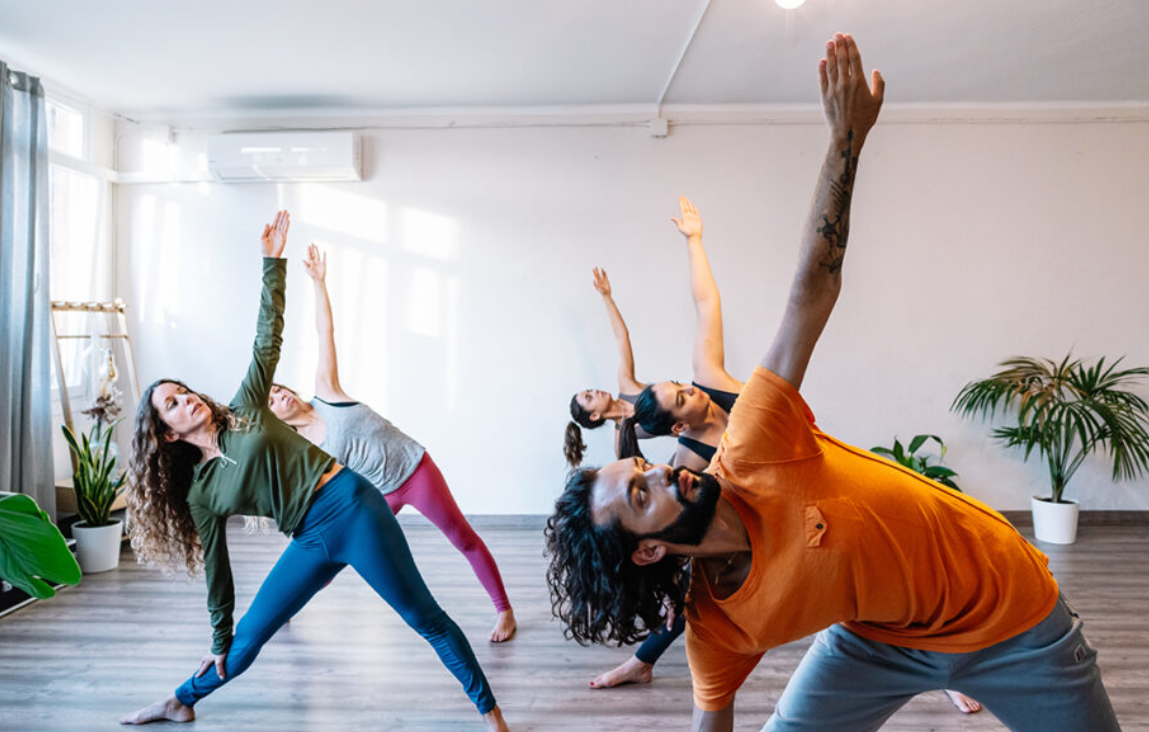
Insight is often treated as a mental event. We expect it to arrive through thinking, reflection, or analysis. We sit with questions, search for answers, and wait for clarity to appear in the form of words or realizations. Sometimes it does. But just as often, insight remains just out of reach—felt vaguely, sensed dimly, but not fully formed. This can create frustration. The mind keeps circling the same questions, hoping that one more pass will finally unlock understanding. Yet many of the insights we’re waiting for don’t originate in thought at all. They arise after movement.
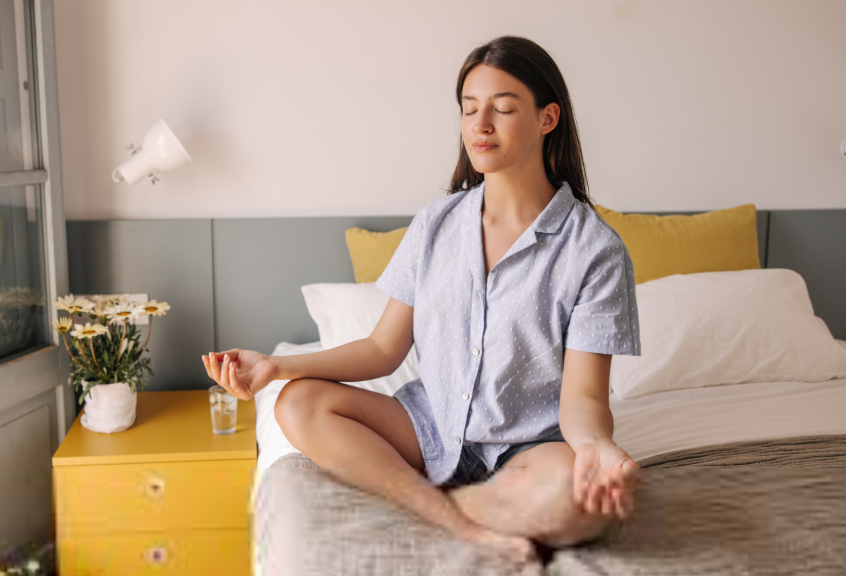
The body processes experience continuously. It registers changes in environment, emotion, and energy long before the mind organizes them into meaning. When the body is still, especially under stress or pressure, that processing can stall. Information remains unintegrated, held as tension or sensation rather than understanding.
Movement restarts the process.
When the body moves freely, systems that were paused begin communicating again. Breath deepens. Circulation improves. The nervous system shifts toward regulation. Sensory awareness increases. These changes create the conditions for integration—the moment when experience turns into understanding.
This is why insight often appears after movement, not during effortful thinking.
Ecstatic dance supports this sequence naturally.
Because movement is unstructured, the body isn’t trying to achieve anything specific. It follows impulse rather than instruction. This allows attention to drop out of problem-solving mode and into direct experience. Awareness becomes embodied rather than conceptual.
As the body moves, it sorts.
As it sorts, it settles.
As it settles, clarity emerges.
Often, the insight doesn’t announce itself right away. It may arrive later that day, or the next morning, or in a quiet moment when the mind is no longer pushing for answers. Suddenly, something makes sense. A decision feels clearer. A pattern is recognized without effort.
Nothing new was added.
Something was integrated.
This kind of insight feels different from intellectual conclusions. It doesn’t need to be defended or explained. It feels obvious in the body first, and then in the mind. There is a sense of rightness that doesn’t come from logic alone.
Movement makes this possible because it engages the whole system.
Thought-based insight relies heavily on the mind’s current capacity. When that capacity is taxed—by stress, fatigue, or emotional load—clarity suffers. Movement lightens that load. It redistributes effort across the body, allowing the mind to relax its grip.
When the mind relaxes, it becomes receptive rather than forceful.
Ecstatic dance also reduces the pressure to figure things out. There is no agenda for insight. No expectation of revelation. This lack of pressure is essential. Insight that is demanded often stays away. Insight that is allowed tends to arrive.
Many people notice that after moving, questions feel different. Less urgent. Less charged. Sometimes the question dissolves entirely, replaced by a sense of direction that doesn’t require explanation.
This is not mystical.
It is biological.
A regulated nervous system supports integration. Integration supports clarity. Clarity supports insight.
The order matters.
Trying to think your way into insight while the body is overloaded is like trying to hear a whisper in a noisy room. Movement quiets the room. Not by forcing silence, but by allowing energy to move where it needs to go.
Over time, people learn to trust this rhythm. They stop chasing insight through effort and begin allowing it to surface through embodiment. They move first. They listen later.
This doesn’t diminish the role of the mind. It supports it.
When the body is included, insight no longer has to fight its way through tension and noise. It arrives gently, often unexpectedly, and settles easily.
Sometimes the most direct path to understanding isn’t more thinking.
It’s movement—followed by stillness.
That is often where insight has been waiting all along.