
Many people look for better relationships by focusing on communication skills. They work on listening more carefully, choosing better words, or managing conflict more effectively. These efforts can be useful. But they often overlook something more foundational: the state of the body that is doing the communicating. Before we relate to anyone else, we relate to ourselves.
If the body is tense, guarded, or disconnected, that state will shape every interaction—no matter how thoughtful the words may be. The body speaks continuously through posture, breath, tone, pacing, and presence. Others feel this communication even when they can’t name it.
This is why connection often feels elusive even when intentions are good.
Self-awareness is not just a mental skill.
It is a bodily one.
When we are aware of our own sensations, impulses, and boundaries, we are more available to others. We can notice when we are closing off, leaning forward too quickly, holding our breath, or bracing against discomfort. This awareness creates choice. Without it, we react automatically.
Ecstatic dance develops this kind of self-awareness in motion.
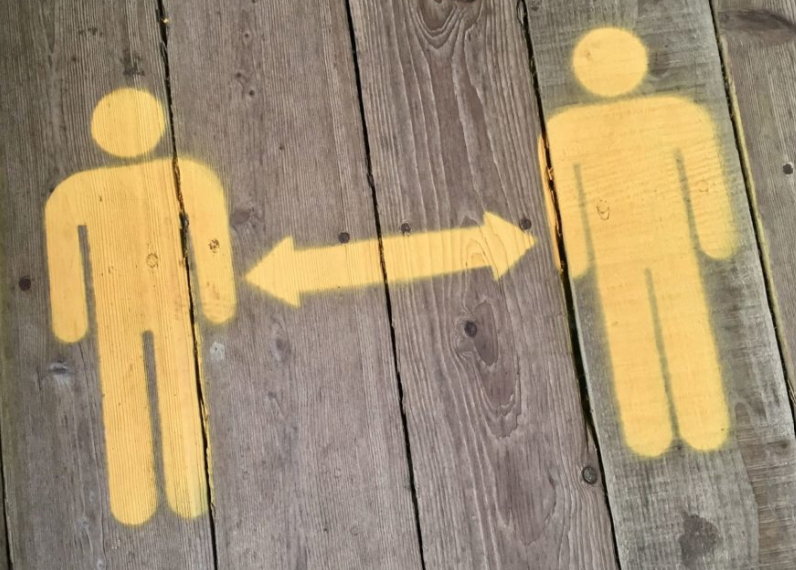
As people move freely, they begin to notice how their body responds to space, proximity, rhythm, and energy. They feel when they want to expand and when they want to contract. They sense when they need more distance and when closeness feels welcome. These signals are subtle, but they are constant.
Movement brings them into awareness.
This awareness matters because healthy connection depends on accurate self-perception. If we don’t know when we’re overwhelmed, we can’t regulate before engaging. If we don’t feel our own boundaries, we may cross others’ without intending to—or fail to protect our own.
In ecstatic dance, there is no requirement to interact directly. In fact, much of the practice is solitary movement within shared space. This allows people to feel themselves clearly without the pressure to perform connection.
Ironically, this makes connection easier.
When people are grounded in their own bodies, they bring less urgency into relationships. They don’t need immediate validation. They don’t rush to fill silence. They don’t overextend to maintain closeness. Their presence becomes steadier.
Others feel this steadiness.
Connection begins to happen not because someone is trying to connect, but because they are available. Availability is a nervous system state. It emerges when the body feels oriented, resourced, and aware of itself.
Ecstatic dance supports this state by restoring internal reference points. Instead of orienting primarily to others—how they look, respond, or react—attention returns inward. Sensation becomes the guide. From this place, interactions are less reactive and more responsive.
People often notice that after developing embodied self-awareness, their relationships shift naturally. Conversations feel less charged. Misunderstandings resolve more easily. There is more room for difference without threat. These changes don’t come from new rules or strategies. They come from regulation.
Self-awareness in motion also builds empathy.
When you can feel your own shifts—tension rising, breath shortening, energy dropping—you become more sensitive to those same signals in others. This sensitivity isn’t analytical. It’s intuitive. You sense when someone needs space. When they need time. When they are present and when they are not.
This kind of attunement can’t be forced.
It develops through experience.
Ecstatic dance offers repeated experiences of noticing and responding to internal signals. Over time, this trains the nervous system to stay aware under movement, sensation, and change. That skill transfers directly into relationships, where movement and change are constant.
Connection becomes less about managing dynamics and more about staying present with yourself while engaging another. This presence creates trust—not because everything is perfect, but because there is honesty at the level of the body.
When self-awareness leads, connection follows.
Not as effort.
Not as technique.
But as a natural extension of being at home inside yourself.
In this way, ecstatic dance does not teach people how to relate outwardly. It helps them relate inwardly first. And from that relationship, others are met with greater clarity, respect, and ease.
Connection begins in the body.
When the body is known, connection becomes possible—not because it is pursued, but because it is supported.